

Gaming Mice vs Mechanical Keyboards: Which Should You Buy in 2026
Gaming Mice vs Mechanical Keyboards: Which Should You Buy in 2026
If you are upgrading one part of your gaming setup in 2026, the choice between a gaming mouse and a mechanical keyboard is not as simple as picking the product with the most RGB. Both can improve your experience, but they affect different parts of your performance. A mouse influences aim, tracking, click timing, and movement control. A keyboard changes how movement, abilities, hotkeys, and rapid inputs feel under your fingers.
This comparison is for players who care about measurable performance: polling rate, click latency, sensor consistency, switch actuation, keyboard layout, and desk space. The short version is straightforward: competitive FPS players should usually upgrade their mouse first, while MMO players, RPG players, streamers, and productivity-focused gamers may get more value from a mechanical keyboard.
Affiliate disclosure: if you buy through these links, we may earn a commission at no extra cost to you.

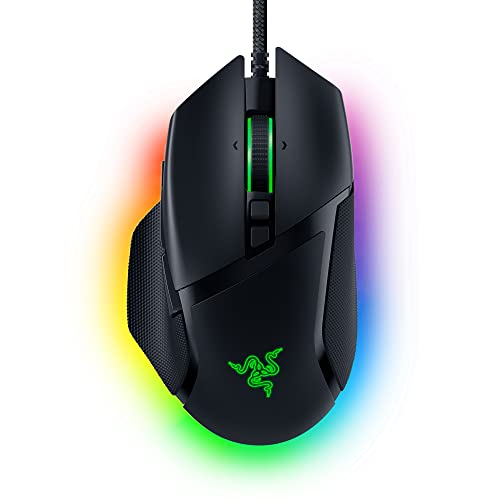

Table of Contents
- Our Top Picks
- Quick Verdict
- About Gaming Mice
- About Mechanical Keyboards
- Head-to-Head: Competitive Response and Latency
- Head-to-Head: Accuracy and Control
- Head-to-Head: Comfort, Desk Space, and Layout
- Head-to-Head: Wireless, Features, and Value
- Who Should Choose Gaming Mice?
- Who Should Choose Mechanical Keyboards?
- Our Verdict
- Frequently Asked Questions
- Sources & References
Our Top Picks
Affiliate disclosure: if you buy through these links, we may earn a commission at no extra cost to you.
Quick Verdict
Choose Gaming Mice if...
- Competitive FPS is your main focus and aim, tracking, or click timing is limiting your performance.
- You want to prioritize accurate sensor tracking, low smoothing or acceleration, polling rate, and click latency.
- Your current mouse causes hand fatigue because its shape does not match your hand size or grip style.
Choose Mechanical Keyboards if...
- You play MMOs or RPGs, use many hotkeys, type frequently, or need a more deliberate switch feel.
- You want to choose between smooth linear switches, tactile switches, or an optical implementation.
- You need a TKL, 65%, or 60% layout to free desk space, or a full-size keyboard with a numpad.
| Factor | Gaming Mice | Mechanical Keyboards |
|---|---|---|
| Price Range | Budget to premium. The supplied 2026 research confirms sub-$150 combo options, but no current standalone mouse prices were provided. | Budget to premium. Price should be weighed against switch quality, layout, connection, and build choices rather than RGB alone. |
| Best For | Competitive FPS aim, tracking, click-heavy games, and precise cursor control. | Rapid movement inputs, MMO and RPG hotkeys, typing, switch customization, and layout flexibility. |
| Setup Difficulty | Usually simple, but serious players should check tracking consistency, polling rate, click latency, DPI, and grip comfort. | Usually simple, but requires decisions about switch type, keyboard size, connection, noise, and desk footprint. |
| Reliability | Depends on consistent sensor tracking, low smoothing or acceleration, dependable switches, and a properly implemented connection. | Depends on consistent actuation and switch implementation. Optical designs can eliminate debounce delay, but feel still matters. |
| Key Advantage | Direct influence over aim, tracking, click timing, and movement control. | Choice of switch feel, actuation behavior, hotkey access, and layout. |
| Main Drawback | Advertised DPI numbers can distract from the specifications that matter more, such as tracking quality and click latency. | Larger layouts consume desk space, clicky switches can disrupt voice chat, and the fastest switch claims may not matter if the feel is wrong. |
About Gaming Mice
A gaming mouse is usually the higher-impact upgrade for competitive FPS players because it controls the two things that decide many gunfights: where your crosshair moves and how quickly your clicks register. Higher polling rates, lower click latency, and consistent sensor tracking can create measurable advantages in fast-paced games. They will not replace good crosshair placement or recoil control, but they remove avoidable hardware inconsistency from the equation.
Do not choose a mouse by maximum DPI alone. The practical specifications are accurate tracking, low smoothing or acceleration, polling rate, and click latency. Competitive players are described as commonly using settings between 400 and 1,600 DPI, which makes advertised maximums above 25,000 DPI largely irrelevant for normal play. Thewearify recommends considering sensors rated at 8,000 DPI or higher for competitive shooters, but that should be viewed as tracking headroom rather than a target sensitivity. Budget mice may cap at 4,800 DPI and can show noticeable jitter at higher settings.
The supplied mouse shortlist covers several different approaches: the Logitech G PRO X2 SUPERSTRIKE Wireless Gaming Mouse, the Razer Basilisk V3 Customizable RGB Wired Ergonomic, and the Logitech G502 Hero Wired Gaming Mouse - Black. The provided information does not include verified prices, weights, sensor models, polling settings, or click-latency measurements for these products, so the names alone are not enough to declare a winner. Compare the live listings for those details, then prioritize shape and tracking over lighting.
About Mechanical Keyboards
The main reason to buy a mechanical keyboard is control over switch feel and layout, not simply the word “mechanical” on the box. Linear switches such as Cherry MX Red provide a smooth keypress without a tactile bump and are suited to rapid-fire inputs. Speed variants reduce travel distance, which can appeal to players who want quick movement or ability presses. Tactile switches add a noticeable bump at the actuation point, while Brown switches are commonly presented as a balance between gaming responsiveness and comfortable typing.
Optical switches use light-based actuation rather than traditional metal contacts, eliminating debounce delay. The supplied Azuritae research notes that Razer and SteelSeries optical implementations can register keypresses in under one millisecond. That sounds compelling, but the fastest specification is not automatically the best choice. Azuritae also emphasizes that personal preference can outweigh the small speed differences between optical and traditional mechanical switches. If a switch feels inconsistent, too stiff, too noisy, or simply unpleasant, its headline response time will not save your game.
Keyboard size matters just as much as switch type. A full-size keyboard provides a numpad but takes more desk space. Tenkeyless and 65% layouts create more room for mouse movement, which is useful for low-sensitivity FPS players. A 60% board saves even more space but removes the function and navigation rows, requiring key combinations. Also avoid clicky switches if you share voice chat or stream from the same room; their audible confirmation can quickly become background noise for teammates and viewers.
Head-to-Head: Competitive Response and Latency
The gaming mouse has the clearer competitive advantage in a direct FPS comparison. Polling rate, click latency, and sensor consistency affect aiming and firing repeatedly throughout a match. In a tactical shooter, a mouse that tracks predictably during a fast counter-strafe or registers a click consistently during a close-range duel is more relevant than a higher maximum DPI number.
Mechanical keyboards can also deliver very fast inputs, particularly with optical switches. The supplied research describes some Razer and SteelSeries optical implementations as registering keypresses in under one millisecond. However, that figure applies to specific implementations, not every mechanical keyboard. For most players, the difference between a very fast traditional switch and an optical switch is less important than choosing a switch that gives clear, repeatable control.
Head-to-Head: Accuracy and Control
Mouse accuracy is about how faithfully the sensor translates hand movement into cursor movement. Low smoothing or acceleration and consistent tracking matter more than using an extreme DPI setting. A competitive player may use 400 to 1,600 DPI, so a mouse advertising 25,000 DPI or more is not automatically more accurate at the settings most players actually use.
Keyboard control comes from actuation feel. Linear switches are predictable and smooth for repeated movement or rapid-fire inputs. Tactile switches provide a physical bump that can help confirm when a key has actuated. Brown switches sit between those approaches for players who game and type on the same board. The correct choice depends on whether you prefer uninterrupted key travel or a noticeable confirmation point.
Head-to-Head: Comfort, Desk Space, and Layout
For mice, comfort starts with matching the shape to your hand size and grip style. A shape that forces your fingers or wrist into an awkward position can increase fatigue during multi-hour sessions. This matters in both ranked FPS play and long streaming sessions, where a small comfort problem becomes a performance problem after several hours.
For keyboards, comfort is mostly about layout, key feel, and how much room remains for the mouse. A compact TKL or 65% keyboard can give a low-sensitivity FPS player more space for wide swipes. An MMO or RPG player may prefer additional keys, while a productivity-focused user may need the numpad on a full-size layout. A 60% board is the most space-efficient of these common layouts, but its reliance on key combinations is a real tradeoff.
Head-to-Head: Wireless, Features, and Value
A properly implemented 2.4GHz wireless mouse can have latency that is indistinguishable from a wired connection, according to Thewearify. That makes wireless a legitimate competitive option rather than an automatic compromise. The important question is whether the connection is stable and whether the mouse delivers reliable tracking and click behavior, not whether a cable is physically attached.
On either product category, flashy RGB should come after performance fundamentals. For a mouse, that means sensor quality, tracking behavior, polling rate, click latency, and shape. For a keyboard, it means switch type, actuation consistency, layout, connection, and noise. The supplied research warns that prioritizing appearance over switch quality can lead to buyer's remorse. The same logic applies to a mouse covered in lighting but built around a shape or sensor that does not suit you.
Who Should Choose Gaming Mice?
Choose a gaming mouse first if you spend most of your time in competitive FPS games and want the upgrade most likely to affect your moment-to-moment performance. Players in games built around precise aim, rapid target switching, and click timing should focus on sensor consistency, low smoothing or acceleration, polling rate, and click latency. Shape is equally important: a technically fast mouse that causes hand fatigue is a poor long-session choice.
A mouse is also the better purchase if your current device feels inconsistent or if its shape does not fit your grip. Do not pay extra simply for a huge DPI rating or aggressive RGB design. Use the sensitivity range you actually play, then spend the budget on tracking quality, a dependable connection, and a comfortable shape.
Who Should Choose Mechanical Keyboards?
Choose a mechanical keyboard if your games depend heavily on hotkeys, your current keyboard feels poor to type on, or you want to tune the experience around switch feel and desk space. MMO and RPG players can benefit from a layout that keeps important commands accessible, while streamers and writers may prefer a switch that remains comfortable during long typing sessions.
Keyboard buyers should choose the switch before chasing response-time marketing. Linear switches are the safest general-purpose option when you want smooth, quiet inputs. Tactile or Brown switches make more sense if you want a noticeable actuation bump. Optical switches are worth considering if you specifically want an implementation described as registering under one millisecond, but that speed should not override comfort, noise level, or layout.
Our Verdict
For most serious competitive FPS players choosing only one upgrade in 2026, buy the gaming mouse first. It has the more direct effect on aim, tracking, click timing, and the consistency of every engagement. Look for accurate tracking, low smoothing or acceleration, a suitable polling rate, low click latency, and a shape that fits your grip. Ignore the DPI arms race.
Buy the mechanical keyboard first if your mouse already tracks accurately, feels comfortable, and connects reliably, while your keyboard is holding back your movement, hotkeys, typing, or desk layout. For MMO, RPG, streaming, and mixed-use setups, the keyboard may provide the bigger daily improvement. The honest answer for a complete gaming setup is that both matter, but the mouse should receive the first upgrade when competitive FPS performance is the priority.
Frequently Asked Questions
Which matters more for competitive FPS games: a gaming mouse or a mechanical keyboard?
A gaming mouse usually matters more because it directly affects aim, tracking, click latency, and cursor control. A mechanical keyboard still matters for movement and ability inputs, but the mouse is normally the first upgrade for players focused on competitive shooters.
Do I need a mouse with more than 25,000 DPI?
No. The supplied research describes competitive players as commonly using settings between 400 and 1,600 DPI. Maximum DPI is not a reliable measure of real-world accuracy. Prioritize consistent tracking, low smoothing or acceleration, polling rate, and click latency instead.
Are optical mechanical keyboard switches faster?
Some optical implementations are described as registering keypresses in under one millisecond because they use light-based actuation and avoid debounce delay. However, the difference may be small in practice, and switch feel can matter more. Choose the switch that gives you comfortable, repeatable inputs.
Can a wireless gaming mouse compete with a wired mouse?
Yes, when it uses a properly implemented 2.4GHz wireless connection. Thewearify notes that true 2.4GHz wireless latency can be indistinguishable from wired latency. Stability, tracking consistency, and click behavior are more important than the presence of a cable.
Which keyboard layout is best for FPS gaming?
TKL and 65% layouts are strong choices when you want more room for mouse movement. A 60% keyboard saves even more space but removes the function and navigation rows, so you must rely on key combinations. Choose full-size if you regularly need a numpad or additional dedicated keys.


