

Gaming Headsets Vs Mechanical Keyboards
When you're grinding ranked in a high-stakes FPS or managing a complex macro rotation in an MMO, your peripherals are the only thing standing between a clean play and a frustrating loss. But if you're looking to optimize your setup in 2026, you might be facing a classic dilemma: do you invest your hard-earned cash into a top-tier gaming headset or a high-performance mechanical keyboard? This isn't an apples-to-apples comparison—one is an input device and the other is an output device—but when your budget is tight, deciding which one will give you the biggest competitive edge is critical.
This guide is for the players who care about the granular details: the millisecond latency of a wireless connection versus the rapid-trigger response of a magnetic switch, or the clarity of footstep audio versus the tactile feedback of a custom-built board. We’re breaking down the trade-offs between these two essential components to help you decide whether you need better situational awareness or faster execution to climb the ladder. Whether you're looking for a budget-friendly refresh or a premium end-game upgrade, we'll show you where to put your money to maximize your performance.
Affiliate disclosure: if you buy through these links, we may earn a commission at no extra cost to you.

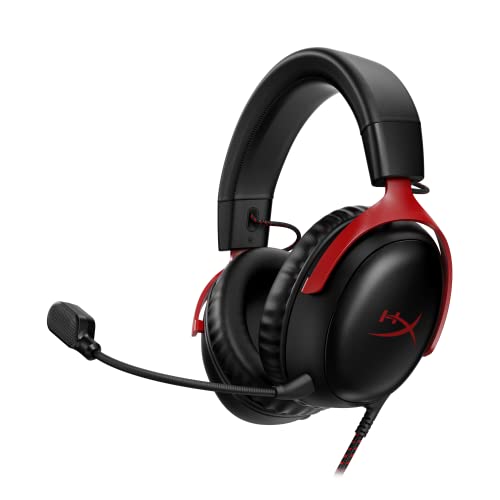
Table of Contents
- Models in this comparison
- Quick Verdict
- About Gaming Headsets
- About Mechanical Keyboards
- Head-to-Head: Competitive Advantage and Performance Impact
- Head-to-Head: Technical Specs and Latency
- Head-to-Head: Budget vs. Premium Tradeoffs
- Who Should Choose Gaming Headsets?
- Who Should Choose Mechanical Keyboards?
- Our Verdict
- Frequently Asked Questions
- Sources & References
Models in this comparison
Affiliate disclosure: if you buy through these links, we may earn a commission at no extra cost to you.
Quick Verdict
Choose Gaming Headsets if...
- Your primary focus is tactical awareness and hearing enemy footstep clarity in competitive shooters like CS2.
- You need to manage environmental noise or own-room distractions via closed-back designs.
- You are looking for an immediate upgrade to your situational awareness and communication quality.
Choose Mechanical Keyboards if...
- You need to minimize input lag and maximize responsiveness through features like rapid trigger.
- You want to optimize your movement mechanics and keybind execution in high-stakes FPS or MMO scenarios.
- You are looking for a tactile, customizable hardware foundation that directly impacts your physical interaction with the game.
| Factor | Gaming Headsets | Mechanical Keyboards |
|---|---|---|
| Primary Performance Impact | Information gathering (spatial awareness, footstep clarity, enemy positioning). | Input execution (actuation speed, rapid trigger, keybind reliability). |
| Budget Entry Point | Low: Budget options range from $35 to $50 according to CosmicGamesHub. | Variable: Budget picks like the Royal Kludge RK84 offer entry-level mechanical performance. |
| Competitive Focus | Critical for FPS (CS2/Valorant) to hear directional audio and tactical cues. | Critical for high-APM/movement-heavy games via rapid trigger and low latency. |
| Technical Trade-offs | Open-back vs. closed-back designs and wireless latency vs. battery life. | Switch types, hot-swappability, and polling rates. |
| Key Advantage | Provides the "eyes" for your ears; essential for tactical decision-making. | Provides the "hands" for your inputs; essential for frame-perfect execution. |
| Main Drawback | Can be fatiguing over long sessions; wireless connectivity can introduce latency. | Physical wear over time; requires specific layouts (75%, Full-size) for different needs. |
About Gaming Headsets
When you're grinding ranked, your headset is your primary source of environmental intel. In competitive FPS titles like CS2, the difference between a win and a loss often comes down to footstep clarity. This is why pros frequently gravitate toward specific models like the HyperX Cloud Alpha Wireless or the Arctis Nova Pro to ensure they can pinpoint enemy positions through sound alone. When evaluating headsets, you have to weigh the trade-offs between open-back designs, which offer a wider soundstage for better spatial awareness, and closed-back designs, which provide better passive noise isolation to keep you focused on the game.
Latency and battery life are the other critical variables to consider, especially in the wireless era. If you're opting for a wireless setup, you need to ensure the 2.4GHz connection is stable to avoid input lag that could desync your audio from the visual action on screen. For those on a tighter budget, there are solid entry-level options under $50, such as the HyperX Cloud Stinger 2, Corsair HS35, Razer Kraken X, and SteelSeries Arctis Nova 1. However, if you're looking to maximize your competitive edge, investing in a higher-tier headset like the HyperX Cloud III—the top-rated budget option under $100—can provide the driver quality needed for precise directional audio.
About Mechanical Keyboards
Mechanical keyboards are all about tactile precision and minimizing input delay. In high-stakes competitive play, features like rapid trigger testing are game-changers, allowing for near-instantaneous key resets that can make or break a movement tech or an ability cast. For the absolute peak of competitive performance in 2026, the Wooting 80HE stands out as the top-rated choice. If you want a premium build quality that balances enthusiast-level typing with gaming performance, the Keychron Q1 Max is the top-rated premium option. For those looking to optimize their setup without breaking the bank, the Royal Kludge RK84 is the top-rated budget mechanical keyboard.
Choosing a keyboard involves understanding the nuances of switch types, hot-swappable boards, and form factors. Whether you need a full-size board for productivity or a compact 75% layout to maximize desk space for large mouse swipes, the hardware must match your playstyle. While a headset provides the information you need to react, a mechanical keyboard is the tool that executes your commands. For players focused on the lowest possible latency and the most responsive keypresses, moving from a standard membrane or basic mechanical board to a high-performance enthusiast-grade board is one of the most impactful upgrades you can make for your competitive ceiling.
Head-to-Head: Competitive Advantage and Performance Impact
When we talk about competitive edge, we are looking at two entirely different types of input. A mechanical keyboard's impact is measured in milliseconds of actuation and the precision of key resets. In a high-stakes FPS environment, features like rapid trigger testing are the difference between a successful counter-strafe and dying in a duel. For example, the Wooting 80HE is currently recognized as the top-rated competitive mechanical keyboard for 2026 because it optimizes that specific interaction window. If you are playing tactical shooters, your keyboard is your primary tool for movement and ability execution.
A gaming headset, conversely, provides a different kind of advantage: information gathering. While a keyboard dictates your actions, a headset dictates your awareness. In games like CS2, the ability to pinpoint footstep clarity is vital. Pros often lean toward gear like the HyperX Cloud Alpha Wireless or the Arctis Nova Pro to gain that spatial edge. While a keyboard helps you execute a play, a headset tells you exactly where the enemy is waiting to stop you. You aren't comparing "speed vs. sound," but rather "action vs. intel."
Head-to-Head: Technical Specs and Latency
The technical battleground for keyboards revolves around polling rates, switch types, and debounce delay. In 2026, the focus is on Hall Effect switches and rapid trigger technology to minimize input lag. For enthusiasts, the Keychron Q1 Max represents the premium end of the spectrum, focusing on build quality and customizability, while the Royal Kludge RK84 serves as a top-rated budget option for those who need reliable switches without the enthusiast price tag. The goal here is to ensure that your keystroke translates to the game engine instantly.
For headsets, the technical focus shifts to wireless latency versus battery life and the nuances of open-back vs. closed-back designs. If you are running a 2.4GHz wireless connection, you are fighting to ensure the audio reaches your ears without the delay that Bluetooth might introduce. While a keyboard's latency affects your ability to react, headset latency affects your ability to process the game state. Choosing between them involves deciding whether you need to prioritize the speed of your own hands or the speed of your own ears.
Head-to-Head: Budget vs. Premium Tradeoffs
Deciding which to buy first often comes down to your current setup's weakest link. If you are playing on a membrane keyboard and a generic headset, you are losing on both fronts. A budget-conscious gamer might look at the HyperX Cloud III as a top-rated headset under $100 to immediately improve their situational awareness. On the keyboard side, budget options like the Redragon Mechanical Gaming Keyboard offer a massive jump in tactile response over standard office peripherals, making them a solid entry point for competitive play.
However, the investment-to-performance ratio differs. A premium mechanical keyboard like the Wooting 80HE is a specialized tool designed to maximize frame-perfect inputs. A premium headset, such as the Arctis Nova Pro, is an investment in acoustic precision. Because a headset is an "output" device and a keyboard is an "input" device, they serve different roles in your setup. If your current audio is clear but your movement feels sluggish, the keyboard is your priority. If your movement is crisp but you're getting caught by flankers, it's time to upgrade the headset.
Who Should Choose Gaming Headsets?
Choosing a headset is about information acquisition. If your primary goal is to gain a competitive edge through spatial awareness, your budget should go here first. In high-stakes FPS titles like CS2, being able to pinpoint a flanker's position is the difference between a win and a lobby screen. For these players, the trade-offs involve choosing between open-back designs for a wider soundstage or closed-back designs for better noise isolation.
You should prioritize a headset if you are currently playing in environments where you can't control ambient noise, or if your current audio setup leaves you guessing about enemy footstep clarity. If you are playing competitive shooters where sound cues are as vital as visual cues, investing in a high-quality headset—such as the HyperX Cloud Alpha Wireless or the Arctis Nova Pro—is the most direct way to improve your game sense.
Who Should Choose Mechanical Keyboards?
Choosing a mechanical keyboard is about input precision and execution speed. While a headset tells you where the enemy is, your keyboard determines how fast you can react to that information. This is the choice for players focused on movement mechanics, ability execution, and rapid-fire inputs in games like to Valorant or Apex Legends.
You should prioritize a mechanical keyboard if you are looking to minimize input lag and maximize your ability to perform complex maneuvers. For competitive players, features like rapid trigger testing are game-changers for movement-heavy titles. If your current setup suffers from ghosting, slow key response, or lacks the tactile precision needed for frame-perfect inputs, upgrading to a high-performance mechanical board—like the Wooting 80HE—will provide a more tangible impact on your mechanical skill ceiling than an audio upgrade alone.
Our Verdict
If you are looking for a single upgrade to immediately impact your competitive standing, buy the gaming headset first.
In a high-stakes FPS environment—whether you're holding an angle in CS2 or navigating a rotation in Apex Legends—audio is your primary source of intel. A high-quality headset provides the spatial awareness and footstep clarity required to react before your opponent even sees you. If your current audio is muddy or lacks directional accuracy, you are playing with a massive disadvantage. Investing in a top-tier headset like the HyperX Cloud Alpha Wireless or an Arctis Nova Pro provides an immediate, measurable boost to your situational awareness that a keyboard simply cannot match.
However, the decision shifts if you are looking for mechanical advantage and input precision. If you are a keyboard-heavy player—someone relying on rapid counter-strafing, complex movement tech, or frame-perfect ability execution—the technological leap offered by a competitive keyboard like the Wooting 80HE is game-changing. While a headset tells you where the enemy is, a high-end mechanical keyboard with features like rapid trigger ensures your character responds to your inputs with zero wasted motion.
The Bottom Line:
- Choose a Gaming Headset if: You need better intel, clearer footsteps, and better spatial positioning to win gunfights. This is the most effective "information" upgrade.
- Choose a Mechanical Keyboard if: You are looking to optimize your movement, input latency, and technical execution in high-APM (actions per minute) scenarios.
If you're on a budget, prioritize the headset to fix your "hearing" first, then work your way toward a pro-tier keyboard to perfect your "fingertips."
Frequently Asked Questions
If I can only afford one upgrade, should I buy a headset or a keyboard?
It depends on your current bottleneck. If you are playing competitive shooters like CS2 and can't hear enemy footsteps or directional cues, a high-quality headset is your priority for tactical awareness. However, if you are struggling with movement mechanics, input lag, or need better key response for abilities, a mechanical keyboard—specifically one with features like rapid trigger—will provide a more direct impact on your mechanical skill execution.
What is the main difference between open-back and closed-back headsets for gaming?
Closed-back headsets provide better passive noise isolation and often more pronounced bass, making them great for blocking out room noise. Open-back designs offer a wider soundstage and better imaging, which can help with spatial awareness in competitive games, though they allow outside noise to leak in.
Are budget gaming headsets worth it for competitive play?
Yes, if you are looking for value. For example, budget options under $50 like the HyperX Cloud Stinger 2, Corsair HS35, Razer Kraken X, or SteelSeries Arctis Nova 1 provide solid performance for the price. While they may lack the premium build or advanced wireless features of flagship models, they can still deliver the essential audio clarity needed for gaming.
What should I look for in a mechanical keyboard for competitive gaming?
Focus on features that reduce input latency and improve responsiveness. For high-level competitive play, look for specialized features like rapid trigger. For budget-conscious players, focus on switch quality and build durability. Top-tier competitive picks like the Wooting 80HE focus on performance-driven specs, while enthusiast boards like the Keychron Q1 Max focus on premium build quality.


